SW17 bulky rubbish removal guide for flats and houses
Posted on 12/08/2026
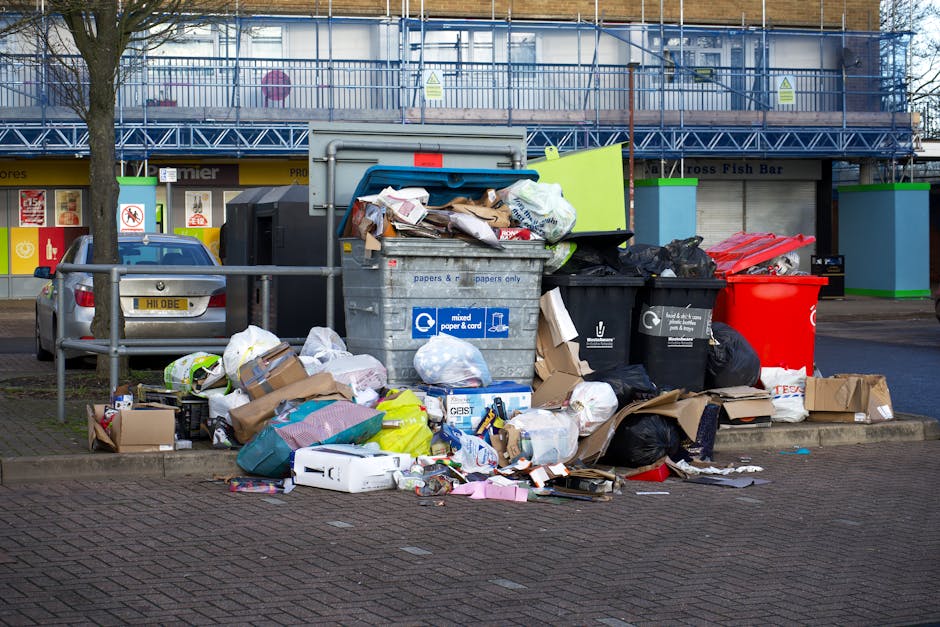
If you are trying to clear a sofa, mattress, broken wardrobe or a pile of awkward household junk in SW17, the job can feel bigger than it should. Flats bring tight stairs, shared entrances and parking headaches. Houses bring bulky items, garden access, side passages and the familiar question of where to start. This SW17 bulky rubbish removal guide for flats and houses walks you through the practical side of getting rid of large waste without turning your hallway into a siege zone.
Whether you are emptying a flat after a move, clearing a spare room, or finally dealing with that old appliance that has been "temporarily" living in the corner, the aim is the same: remove bulky rubbish safely, legally and with as little stress as possible. Let's face it, nobody wants to spend a Saturday wrestling a wardrobe down a staircase that was clearly designed by someone with a sense of humour.
Below you will find a clear method for planning the job, choosing the right removal approach, avoiding common mistakes, and understanding what matters most for flats versus houses. You will also find a checklist, a comparison table, and a few local-practical tips that make the process much easier.
Why SW17 bulky rubbish removal guide for flats and houses Matters
Bulky rubbish is different from everyday bin waste. It is awkward, heavy, often dirty, and rarely easy to split into neat bags. In SW17, that matters because housing stock is mixed: you have mansion blocks, converted flats, terraced houses, semis and maisonettes, often on streets where access is not exactly generous.
In a flat, one oversized item can block a hallway or create a nuisance for neighbours. In a house, a pile of large waste can sit in the way of DIY, decorating or moving plans. The longer it stays around, the more it tends to grow. One old armchair becomes two chairs, then a mattress, then a broken chest of drawers. It happens fast.
There is also the practical issue of responsibility. Bulky waste left in shared areas can become a fire risk or a trip hazard. And if items are dumped outside in the wrong way, you may end up with a complaint, a fine, or an expensive clean-up. So the topic is not just about tidiness. It is about safe access, neighbourly living, and choosing a lawful disposal route.
For people living in flats, this guide is especially useful because the process often needs more coordination than a house clearance. For houses, the challenge is usually volume, weight and timing. Either way, the right approach saves time and effort. That is the real win.
If you need a broader overview of services that cover mixed domestic and commercial waste, the services overview is a helpful place to understand the wider options available.
How SW17 bulky rubbish removal guide for flats and houses Works
The basic process is simple, but the detail changes depending on the property type. At a high level, bulky rubbish removal usually follows five stages: identify the items, prepare access, decide the removal method, load the waste safely, and make sure it is handled properly afterwards.
For flats
Flats often need more planning before a single item moves. You may need to think about lift access, stair width, communal corridors, building rules, parking near the entrance, and whether neighbours need warning. A sofa can be easy to remove in theory and a complete pain in practice if it will not turn on the stair landing.
In some buildings, management companies ask for advance notice before large removals. That is not unusual. If your block has shared areas, keep the route clear, use protection where sensible, and avoid dragging items along surfaces that could be damaged. A little care goes a long way.
For houses
Houses usually give you more control over access, but that does not mean the job is easy. Items may need to be carried through narrow hallways, down steep front steps, or out through a side return. Garden waste, old furniture and white goods often pile up in garages or sheds and become heavier than expected once you begin lifting.
If you are using a waste removal service, the team will normally assess access, item type and load size before confirming the job. If you are moving items yourself, you need to be honest about weight, shape and whether you can lift safely. No prize for heroics here.
What typically counts as bulky rubbish?
- Wardrobes, beds, mattresses and bed bases
- Sofas, armchairs and dining chairs
- Broken tables, shelving and cabinets
- White goods such as fridges, freezers and washing machines
- Large bags of mixed household junk
- Garden items, dismantled sheds or outdoor furniture
- Renovation offcuts that are too large for normal disposal
For furniture-heavy jobs, it can help to look at dedicated options such as furniture disposal in Tooting or furniture removal services when the load is mostly large household pieces rather than mixed junk.
Key Benefits and Practical Advantages
Choosing the right bulky rubbish removal approach is not only about getting rid of things. It can reduce stress, protect the building, and help you avoid wasted time. Truth be told, most people underestimate how long a "quick clear-out" takes until they are halfway through it with a van full of awkward objects and a blocked hallway.
Here are the main practical benefits:
- Better safety: less carrying, less lifting, fewer chances of damage or injury.
- Cleaner access routes: especially useful in flats where shared areas need to stay usable.
- Faster turnaround: ideal before a move, tenancy handover or decorating job.
- More predictable outcomes: you know what is leaving and how it is being handled.
- Reduced stress: a professional or well-planned removal avoids the classic last-minute scramble.
- Better disposal choices: items can often be sorted for recycling, reuse or proper disposal rather than all going one way.
There is also a psychological benefit people do not mention enough. Once bulky waste is gone, the space changes immediately. A room feels bigger. A landing feels calmer. A garage stops feeling like a storage unit for regrets. Small things, but they matter.
If you care about what happens after collection, a service with a clear recycling approach is worth a look. The page on recycling and sustainability explains the kind of responsible handling many customers now expect.
Who This Is For and When It Makes Sense
This guide is for anyone in SW17 dealing with large, awkward or heavy waste in a residential property. That includes tenants, landlords, homeowners, letting agents, estate managers and people helping relatives clear a home. It also helps if you are planning a move and want to avoid taking clutter with you.
Typical scenarios where bulky rubbish removal makes sense
- You are replacing a sofa, mattress or broken furniture item.
- You are clearing a flat after a tenancy ends.
- You have old appliances sitting unused in a kitchen, utility room or shed.
- You are dealing with loft, garage or storage overflow.
- You are getting a property ready for sale or rental.
- You have a home improvement project that has created large offcuts or mixed waste.
For houses, bulky clearance often goes hand in hand with lofts, gardens and storage spaces. If that sounds familiar, you may also find loft clearance useful for upper-floor storage, or garden waste removal for outdoor debris and overgrown material.
For flats, timing is usually the deciding factor. If access is tight or neighbours are sensitive to noise, you will want a plan that is swift, tidy and respectful. Nobody wants a five-hour removal when it could have been handled in one clean visit.
Step-by-Step Guidance
Here is the practical way to tackle bulky rubbish removal without overcomplicating it.
- List every item. Write down what needs to go, including anything hidden in cupboards, lofts, balconies or storage cupboards.
- Separate what can be reused or donated. Not everything bulky is waste. If an item is usable, consider whether it should leave the property in a different way.
- Measure awkward pieces. Doors, stairwells, lifts and corners matter more than people expect. A few quick measurements can save a lot of frustration.
- Check access. Identify the route from the room to the exit. In flats, include communal spaces and parking points. In houses, include side access, front steps and garden gates.
- Identify special items. White goods, fridges, freezers, mattresses and heavily soiled items may need handling in a specific way.
- Choose the disposal method. You might use a licensed waste carrier, a collection service, or a combination depending on volume and urgency.
- Prepare the area. Move smaller objects, clear pathways, protect floors if needed, and keep pets and children away during loading.
- Load safely and efficiently. Heavy items should be carried with proper lifting technique and, where needed, more than one person.
- Confirm final disposal details. Make sure the waste is being taken to an appropriate facility or channel.
If the job involves a lot of mixed household waste, a broader waste clearance service can be the easiest route. If it is mainly a one-off load from a home, rubbish collection may be the more direct fit.
A small but important tip: take photos before the removal if you are dealing with a tenancy, shared building or an item with a potential dispute. It sounds cautious, maybe a bit fussy, but it can be very handy later.
Expert Tips for Better Results
Most bulky rubbish jobs become easier when you think like a remover, not like a declutterer. The difference is subtle. The goal is not just to decide what goes. The goal is to make the physical removal straightforward.
1) Break items down where possible
Flat-pack furniture often comes apart with a screwdriver and a bit of patience. Removing doors, shelves or legs can make a huge difference. For houses, it can also reduce the chance of scraping walls or bannisters. Just keep screws and fittings together if there is any chance you will reuse the item.
2) Prioritise the heaviest item first
It is tempting to start with the light stuff, but the large heavy items usually dictate the route. Once the sofa is out, everything else feels easier. A bit like carrying the shopping: the bag with the milk decides the pace.
3) Think about noise and timing
Flats especially benefit from quiet, organised removals. Avoid early mornings if your building is sensitive, and be mindful of lift use, door slamming and repeated trips. A measured approach often creates fewer complaints than a fast but messy one.
4) Use the right protection
For tight staircases or valuable flooring, protective covers and floor protection can prevent accidental scuffs. You do not need a full toolbox for every job, but a few sensible precautions are worth it.
5) Keep the route clear at all times
The moment the route gets cluttered, delays begin. Keep bins, shoes, prams, parcels and loose bags out of the way before the team starts moving items.
For larger clearances or jobs that include renovation debris, it is worth reading about builders waste disposal and the related SW18 to SW17 builders waste disposal page if your project straddles multiple property types.

Common Mistakes to Avoid
The biggest mistakes are usually the simple ones. People either underestimate access, overestimate what they can lift, or leave the sorting until the last minute. The result is stress, delays and sometimes damage.
- Not measuring first. A wardrobe that will not fit through a landing is not a surprise anyone needs.
- Ignoring weight. A damp mattress or a solid wood cabinet can be far heavier than it looks.
- Blocking shared areas. In flats, this can be especially awkward and may breach building rules.
- Mixing everything together without checking special items. White goods and certain waste types may need separate handling.
- Leaving the job for the last day. This is how move-out days become chaos, frankly.
- Using an unverified collector. If waste is handled badly, the original owner can still face problems.
One of the quieter mistakes is assuming "bulky" means "anyone can just take it away". Not really. Some items need care because of weight, contamination, or the way they must be disposed of. A bit of caution is normal and sensible.
Tools, Resources and Recommendations
You do not need a warehouse full of kit, but a few practical tools and habits will make bulky rubbish removal much smoother.
| Item or resource | Why it helps | Best for |
|---|---|---|
| Tape measure | Checks furniture width, door clearance and stair access | Flats, hallways, lifts |
| Protective gloves | Improves grip and helps with rough edges | Old furniture, mixed junk, garden items |
| Heavy-duty sacks or boxes | Keeps smaller waste together so it is easier to move | Mixed household clear-outs |
| Basic screwdriver set | Helps dismantle flat-pack pieces and remove doors or shelves | Furniture and storage units |
| Floor protection | Reduces scuffs on hallways and landings | Communal areas and narrow routes |
| Clear item list or photos | Makes quotes and planning more accurate | All removals, especially tenancy clearances |
For pricing clarity, the page on pricing and quotes is useful when you want to understand how a job may be assessed. And if your concern is whether a provider follows proper handling standards, waste carrier licence and compliance is the right trust page to review.
Law, Compliance, Standards, or Best Practice
Bulky rubbish removal is not just a practical task; it also has a compliance side. In the UK, you should be careful about who takes your waste and how it is handled. If waste is handed to the wrong person and later dumped illegally, that can create real problems for the original owner. It is better to be careful upfront than sorry afterwards.
At a sensible best-practice level, you want to know three things: who is collecting the waste, whether they are authorised to carry it, and where the waste is going. For many residents, that means using a reputable service with clear process information and insurance where relevant. If you are dealing with a multi-occupancy building, follow building management rules too. They may not be law in the wider sense, but they still matter.
For householders, there is also a simple standard worth keeping in mind: do not leave bulky waste in a shared area unless you are allowed to and have arranged collection properly. That applies to stairwells, foyers, bin stores and pavements. In busy parts of SW17, keeping shared access tidy helps everybody.
If you need reassurance about a company's approach to safety and responsibility, the pages on insurance and safety and about us are worth a look, especially before booking anything substantial.

Options, Methods, or Comparison Table
There is no single right method for every SW17 bulky waste job. The best choice depends on what you are removing, how quickly it needs to go, and how tricky the property access is. Here is a straightforward comparison.
| Method | Best for | Advantages | Trade-offs |
|---|---|---|---|
| Self-removal | Small loads, easy access, confident lifters | Full control, potentially lower direct cost | Time-consuming, physically demanding, vehicle and disposal planning needed |
| Council-style bulky collection | Simple items and non-urgent clear-outs | Structured process, suitable for some households | Timing may be limited, item rules can vary, not ideal for urgent jobs |
| Private waste removal service | Flats, urgent jobs, large mixed loads, tricky access | Fast, flexible, less lifting for the resident | Cost varies with volume, access and item type |
| Targeted item disposal | Single sofas, mattresses, appliances or furniture pieces | Efficient and focused | Less useful for mixed loads |
If your job is mostly one large item, a focused service can be the cleanest answer. If it is a mixed household clear-out, a wider waste disposal service is often the more practical route. For larger domestic clearances, house clearance can make more sense than piecemeal removals.
Case Study or Real-World Example
A common SW17 scenario goes like this. A couple in a top-floor flat wants to clear a sofa bed, a broken desk, two mattresses and a pile of mixed household junk before handing back the keys. The stairwell is narrow, the lift is small, and the building has shared access at the front. On paper, it looks like a half-hour task. In reality, it is a bit more involved.
First, the larger items are measured and checked against the route. The sofa bed is split where possible, the desk is dismantled, and the smaller waste is bagged so it can be carried cleanly. The hallway is cleared before collection day. Neighbours are given a heads-up, not because anyone needs permission for every move, but because it keeps things friendly. That matters more than people think.
When collection day arrives, the load is moved in the right order: mattresses first because they are awkward, then the sofa pieces, then the lighter mixed waste. The result is a tidy exit with no scuffed walls, no blocked corridor, and no stressed last-minute rush. Simple enough, really. But only because the prep was done properly.
For a house, the scenario changes a little. A homeowner clearing a garage may find the biggest issue is volume rather than access. They might have old chairs, broken shelving, a defunct freezer and a few bags of garden waste. In that case, combining the right categories into one organised clearance saves multiple trips and keeps the project from sprawling out over a whole week.
Practical Checklist
Use this before booking or loading anything:
- Have I listed every bulky item, including hidden storage items?
- Do I know which items are furniture, appliances, garden waste or mixed rubbish?
- Have I measured doorways, stairwells, lifts and access points?
- Is the exit route clear of shoes, bins, prams and other obstacles?
- Do I need to notify building management or neighbours?
- Have I separated anything reusable or valuable?
- Are there any items that need special handling?
- Have I checked whether the collector is properly authorised and insured where relevant?
- Have I arranged parking or loading access if needed?
- Do I know what success looks like: one item removed, a whole room cleared, or the entire property reset?
Quick expert summary: the smoother the access and the clearer the sorting, the less stressful bulky rubbish removal becomes. Most "hard" jobs become manageable when they are broken into small, sensible steps. Nothing fancy, just good planning and a bit of common sense.
If you are comparing options for a particular load, a helpful next step is to review the broader rubbish collection and white goods and appliance disposal pages so you can match the service to the waste type.
Conclusion
Bulky rubbish removal in SW17 is rarely difficult because of the rubbish itself. It is difficult because of access, timing and the sheer inconvenience of large items in lived-in spaces. Flats need careful planning around shared areas and narrow routes. Houses need a clear plan for weight, volume and safe movement. Once you treat the job as an organised process rather than a scramble, it becomes much easier to manage.
The main idea is straightforward: assess the items, prepare the route, choose the right disposal method, and keep safety and compliance in view. Do that well, and you avoid the usual mess, stress and repeat trips. Better still, you end up with a clean space that feels ready for whatever comes next.
Get a free quote today and see how much you can save.
If you are still weighing up the best route, browse the wider site pages on waste clearance, furniture removal and recycling and sustainability to match your job with the right approach. Small decisions up front make a big difference later, and honestly, that is usually where the easiest wins are.